

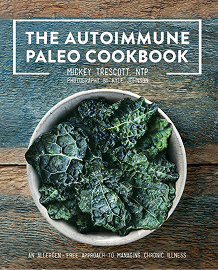

What the Autoimmune Protocol Is and How It Can Help You
The Autoimmune Protocol (AIP) is one of the most widely recognized frameworks for managing autoimmune disease with food and lifestyle.
What began in 2011 as a patient-driven experiment has since grown into a global movement, supported by thousands of personal healing stories, an active online community, and healthcare providers who now integrate AIP into their practices. More than a thousand practitioners worldwide have completed advanced AIP training, and medical research has validated its effectiveness for improving symptoms and quality of life in conditions like inflammatory bowel disease, Hashimoto’s thyroiditis, rheumatoid arthritis, and psoriasis.AIP is more than a diet—it’s a structured process designed to calm inflammation, restore nutrient density, and help you identify which foods and lifestyle factors support your health. And it’s no longer just anecdotal: AIP has been studied in published medical trials, giving patients and providers alike confidence in its potential.
About This Guide
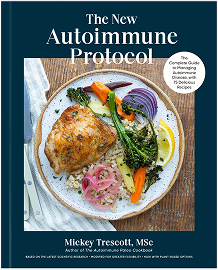
This article contains the most up-to-date information on AIP implementation, fully revised in 2024 and drawn from The New Autoimmune Protocol, the definitive resource on AIP published in 2026. Think of this page as your “home base”—a starting point to understand what AIP is, why it matters, and how to begin using the most current protocol instructions.
If you’re ready to dive deeper, you can jump directly to the sections that interest you most:
- What Is the Autoimmune Protocol?
A clear, big-picture definition. - How AIP Works
Why the framework is effective. - The Three Phases of AIP
Transition, Elimination, Reintroduction. - AIP Medical Research
What the science shows. - Stories of Recovery
Real patient testimonials. - Definitive Guide to AIP
Step-by-step resources to get started.
What Is The Autoimmune Protocol?
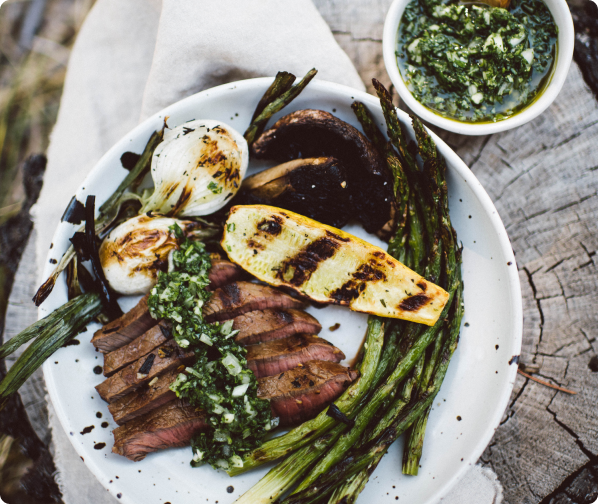
At its core, AIP is a science-informed elimination and reintroduction protocol. It helps people with autoimmune disease discover which foods and lifestyle factors may be contributing to their symptoms, and which support healing.
Unlike many diets that prescribe a rigid “eat this, not that” list to follow forever, AIP is a dynamic process of discovery. The aim is not to restrict your diet indefinitely, but to experiment with how food and lifestyle choices affect your body and then arrive at a sustainable way of living that supports your long-term health.
What makes AIP unique is that it goes beyond diet. Alongside the nutritional component, AIP includes lifestyle pillars such as sleep, stress management, gentle movement, and social connection—all of which research shows are essential for immune regulation.
How AIP Works
So how does AIP actually make a difference? The power of AIP comes from combining multiple strategies that support health in different, complementary ways. The synergy of these strategies is what makes the protocol so effective.
Identifying triggers
So how does AIP actually make a difference? The power of AIP comes from combining multiple strategies that support health in different, complementary ways. The synergy of these strategies is what makes the protocol so effective.
Correcting nutrient gaps
Nutrient deficiencies are common in autoimmune patients and can directly impact immune function. AIP emphasizes nutrient-dense foods like vegetables, seafood, organ meats, and fermented foods. In one clinical study on Hashimoto’s thyroiditis, patients following AIP dramatically increased their intake of key nutrients: vitamin C intake rose by 886%, beta-carotene by 550%, folates by 198%, and fiber by 162% — all without reducing total calories. This kind of nutritional upgrade supports healing, reduces inflammation, and provides the immune system with what it needs to function optimally.
Managing inflammation
Chronic inflammation is one of the hallmarks of autoimmune disease. AIP helps reduce it from both sides: removing inflammatory triggers while also adding foods rich in anti-inflammatory compounds. Clinical studies show reductions in inflammatory markers, such as a 29% decrease in hs-CRP in Hashimoto’s patients, as well as improvements in fecal calprotectin (a marker of gut inflammation) in IBD patients.
Supporting gut and immune balance
Emerging research suggests that AIP can even shift immune responses at the molecular level. In one study of ulcerative colitis patients, researchers identified 324 genes that changed expression after following AIP. Genes linked to inflammatory T-cell activity were dialed down, while those tied to immune regulation, mucosal healing, and DNA repair were dialed up. This suggests that AIP may not only reduce symptoms but also positively influence immune function at its root.
The Three Phases of AIP
AIP unfolds in three distinct phases, each designed to support you step by step.
Phase 1: Transition
The transition phase is your “on-ramp” into AIP. Instead of cutting out dozens of foods all at once, you ease in by gradually removing common triggers while adding nutrient-dense foods. This makes the shift more sustainable and less overwhelming. Depending on your needs, this phase might last a few weeks or longer.
Ready to begin? My in-depth guide to The AIP Transition Phase will help you plan your shift with clarity and confidence.
Phase 2: Elimination
This is the main component of AIP, where you temporarily avoid the foods most likely to provoke an immune response while focusing on nutrient-rich staples.
There are now two options for elimination:
- Core AIP Elimination: The original version used in medical research and early AIP literature. This is the most comprehensive approach and removes categories such as grains, legumes, dairy, processed foods, and nightshades.
- Modified AIP Elimination: A less restrictive option developed in 2024 to improve accessibility and sustainability. It reduces the number of eliminations while still emphasizing nutrient density and lifestyle practices.
Whichever version you choose, the elimination phase typically lasts 30–90 days — long enough for inflammation to calm and for you to notice meaningful symptom improvement. Importantly, AIP also emphasizes lifestyle strategies during this phase, such as prioritizing sleep, managing stress, and staying active in gentle, supportive ways.
The elimination phase can feel like the biggest leap, but you don’t have to figure it out alone.
Explore our detailed guide to The AIP Elimination Phase for food lists, meal planning tips, and more.
Phase 3: Reintroduction
This is where AIP comes full circle. Foods are reintroduced methodically, one at a time, so you can observe your body’s response. This process allows you to build a personalized diet that includes as many foods as possible without worsening symptoms. The goal isn’t to stay restricted, but to find your own balance.
Reintroductions are where the magic happens — this is where you expand your diet and discover your personal balance.
My in-depth guide to The AIP Reintroduction Phase will walk you through it step by step.
Anecdotal Evidence for AIP
Before the studies, there were the stories.
Patients began sharing their experiences with AIP on blogs, forums, and social media — and the results spread like wildfire. People with conditions as varied as Crohn’s disease, multiple sclerosis, psoriasis, and lupus described how their symptoms eased, energy improved, and quality of life returned.
At Autoimmune Wellness, we’ve collected more than 75 in-depth interviews with people who have successfully used AIP to manage autoimmune conditions. These stories are inspiring not only because of the health improvements they describe, but also because they show the many different ways AIP can be adapted to fit real life.
Need some inspiration? Explore our Stories of Recovery series to read how real people with autoimmune disease have used AIP to reclaim their health.

Ready to take your first steps with AIP?
The Quickstart Guide gives you downloadable food lists and everything you need to begin your journey.
AIP Medical Research
Over the past decade, research has caught up to what patients already knew: AIP works. Although still early, clinical studies consistently show AIP to be safe, feasible, and effective.

In patients with inflammatory bowel disease, 73% achieved remission in as little as six weeks, even when standard treatments had failed.
In Hashimoto’s thyroiditis, patients experienced a dramatic reduction in symptom burden, a measurable drop in inflammation, and even decreased thyroid gland volume on ultrasound.
In rheumatoid arthritis, patients reported less pain, less fatigue, and better sleep, supported by both qualitative and early pilot data.
And in psoriasis and eczema, a study has been completed and is awaiting publication.
Curious about the details behind these results?
Head over to our AIP Medical Research Review to see how each study was conducted and what it means for patients.
Core & Modified AIP Food Lists
Core AIP Foods to Avoid
Grains, Gluten, and Pseudo-grains
Amaranth, barley, buckwheat, bulgur, chia, corn, durum, einkorn, farro, fonio, Job’s tears, Kamut, millet, oats, quinoa, rice, rye, semolina, sorghum, spelt, teff, triticale, wheat (all varieties), wild rice, and all foods derived from these ingredients.
Dairy
Irure aliqua ad minim officia exercitation ut aute aliqua nostrud deserunt non ad do veniam. Dolor exercitation laborum cillum qui. Sit adipisicing deserunt sunt commodo irure laborum officia elit anim amet Lorem veniam. Sunt non ea est deserunt incididunt ut. Ut Lorem minim qui laboris voluptate nisi sint.
Eggs
Irure aliqua ad minim officia exercitation ut aute aliqua nostrud deserunt non ad do veniam. Dolor exercitation laborum cillum qui. Sit adipisicing deserunt sunt commodo irure laborum officia elit anim amet Lorem veniam. Sunt non ea est deserunt incididunt ut. Ut Lorem minim qui laboris voluptate nisi sint.
Legumes
Irure aliqua ad minim officia exercitation ut aute aliqua nostrud deserunt non ad do veniam. Dolor exercitation laborum cillum qui. Sit adipisicing deserunt sunt commodo irure laborum officia elit anim amet Lorem veniam. Sunt non ea est deserunt incididunt ut. Ut Lorem minim qui laboris voluptate nisi sint.
Nightshades (including spices derived from them)
Irure aliqua ad minim officia exercitation ut aute aliqua nostrud deserunt non ad do veniam. Dolor exercitation laborum cillum qui. Sit adipisicing deserunt sunt commodo irure laborum officia elit anim amet Lorem veniam. Sunt non ea est deserunt incididunt ut. Ut Lorem minim qui laboris voluptate nisi sint.
Processed vegetable oils
Irure aliqua ad minim officia exercitation ut aute aliqua nostrud deserunt non ad do veniam. Dolor exercitation laborum cillum qui. Sit adipisicing deserunt sunt commodo irure laborum officia elit anim amet Lorem veniam. Sunt non ea est deserunt incididunt ut. Ut Lorem minim qui laboris voluptate nisi sint.
Nuts and nut products
Irure aliqua ad minim officia exercitation ut aute aliqua nostrud deserunt non ad do veniam. Dolor exercitation laborum cillum qui. Sit adipisicing deserunt sunt commodo irure laborum officia elit anim amet Lorem veniam. Sunt non ea est deserunt incididunt ut. Ut Lorem minim qui laboris voluptate nisi sint.
Seeds and seed products
Irure aliqua ad minim officia exercitation ut aute aliqua nostrud deserunt non ad do veniam. Dolor exercitation laborum cillum qui. Sit adipisicing deserunt sunt commodo irure laborum officia elit anim amet Lorem veniam. Sunt non ea est deserunt incididunt ut. Ut Lorem minim qui laboris voluptate nisi sint.
Non-nutritive sweeteners and sugar alcohols
Irure aliqua ad minim officia exercitation ut aute aliqua nostrud deserunt non ad do veniam. Dolor exercitation laborum cillum qui. Sit adipisicing deserunt sunt commodo irure laborum officia elit anim amet Lorem veniam. Sunt non ea est deserunt incididunt ut. Ut Lorem minim qui laboris voluptate nisi sint.
Processed food chemicals and ingredients
Irure aliqua ad minim officia exercitation ut aute aliqua nostrud deserunt non ad do veniam. Dolor exercitation laborum cillum qui. Sit adipisicing deserunt sunt commodo irure laborum officia elit anim amet Lorem veniam. Sunt non ea est deserunt incididunt ut. Ut Lorem minim qui laboris voluptate nisi sint.
Alcohol
Irure aliqua ad minim officia exercitation ut aute aliqua nostrud deserunt non ad do veniam. Dolor exercitation laborum cillum qui. Sit adipisicing deserunt sunt commodo irure laborum officia elit anim amet Lorem veniam. Sunt non ea est deserunt incididunt ut. Ut Lorem minim qui laboris voluptate nisi sint.
Core AIP Foods to Include
Vegetables
All vegetables except nightshades (tomatoes, potatoes, peppers, eggplant, tomatillo, goji berry, etc.). Starchy vegetables (sweet potatoes, plantains, taro, cassava, etc.) are included.
Fruit
Reprehenderit ullamco esse Lorem do magna. Tempor sint nisi reprehenderit culpa Lorem in enim velit dolor nostrud est occaecat mollit. Irure laboris in nulla commodo ad ut exercitation reprehenderit. Nulla dolor excepteur eu ea nostrud adipisicing.
Meat and Poultry
Reprehenderit ullamco esse Lorem do magna. Tempor sint nisi reprehenderit culpa Lorem in enim velit dolor nostrud est occaecat mollit. Irure laboris in nulla commodo ad ut exercitation reprehenderit. Nulla dolor excepteur eu ea nostrud adipisicing.
Seafood
Reprehenderit ullamco esse Lorem do magna. Tempor sint nisi reprehenderit culpa Lorem in enim velit dolor nostrud est occaecat mollit. Irure laboris in nulla commodo ad ut exercitation reprehenderit. Nulla dolor excepteur eu ea nostrud adipisicing.
Organ Meats
Reprehenderit ullamco esse Lorem do magna. Tempor sint nisi reprehenderit culpa Lorem in enim velit dolor nostrud est occaecat mollit. Irure laboris in nulla commodo ad ut exercitation reprehenderit. Nulla dolor excepteur eu ea nostrud adipisicing.
Broths
Reprehenderit ullamco esse Lorem do magna. Tempor sint nisi reprehenderit culpa Lorem in enim velit dolor nostrud est occaecat mollit. Irure laboris in nulla commodo ad ut exercitation reprehenderit. Nulla dolor excepteur eu ea nostrud adipisicing.
Fermented Foods
Reprehenderit ullamco esse Lorem do magna. Tempor sint nisi reprehenderit culpa Lorem in enim velit dolor nostrud est occaecat mollit. Irure laboris in nulla commodo ad ut exercitation reprehenderit. Nulla dolor excepteur eu ea nostrud adipisicing.
Fats and Oils
Reprehenderit ullamco esse Lorem do magna. Tempor sint nisi reprehenderit culpa Lorem in enim velit dolor nostrud est occaecat mollit. Irure laboris in nulla commodo ad ut exercitation reprehenderit. Nulla dolor excepteur eu ea nostrud adipisicing.
Herbs and Spices
Reprehenderit ullamco esse Lorem do magna. Tempor sint nisi reprehenderit culpa Lorem in enim velit dolor nostrud est occaecat mollit. Irure laboris in nulla commodo ad ut exercitation reprehenderit. Nulla dolor excepteur eu ea nostrud adipisicing.
Beverages
Reprehenderit ullamco esse Lorem do magna. Tempor sint nisi reprehenderit culpa Lorem in enim velit dolor nostrud est occaecat mollit. Irure laboris in nulla commodo ad ut exercitation reprehenderit. Nulla dolor excepteur eu ea nostrud adipisicing.
Is AIP Right for You?
AIP can be transformative, but it isn’t for everyone. It requires commitment, planning, and patience. Some people may need to adapt the protocol with the help of a practitioner, while others may not be good candidates at all (for example, those with a history of eating disorders).
If you’re considering AIP, ask yourself:
- Am I curious to discover which foods truly affect my symptoms?
- Do I want a structured framework to help guide that process?
- Do I have support — whether from family, community, or a healthcare provider — to help me succeed?
For many, the answer is yes. But remember: AIP is always meant to complement, not replace, conventional care. Medications, surgery, and other treatments remain important tools for managing autoimmune disease.
Have more questions? Visit the AIP FAQ for clear answers to common concerns. And if you want one-on-one support, consider working with an AIP Certified Coach to guide you through the process.

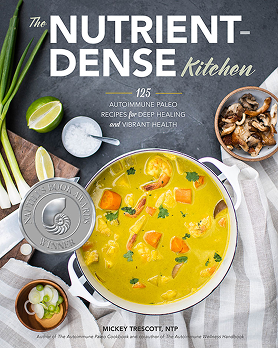
Discover the power of nutrient density
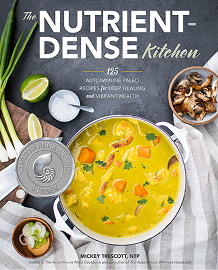
With over 125 AIP-compliant recipes, The Nutrient-Dense Kitchen shows you how to bring deep nourishment to every meal. Simple, practical, and designed for healing.
Get your signed copyLife After AIP
One of the most important things to know is that AIP is not meant to be forever. The elimination phase is a tool, not the end goal.
The real purpose of AIP is to use elimination and reintroduction as stepping stones toward a personalized, sustainable lifestyle. For many people, this means reintroducing far more foods than they expected, while continuing to avoid only the handful that consistently cause problems. Others use AIP as a framework they can return to during flares or life changes, knowing they have a tool that works.
In the long term, AIP teaches you how to listen to your body, adjust as your health changes, and live with more confidence and less fear around food.
So what happens once you’ve finished elimination and reintroductions? That’s where the real journey begins. Check out our Life After AIP article to see how to turn your discoveries into a lasting lifestyle.