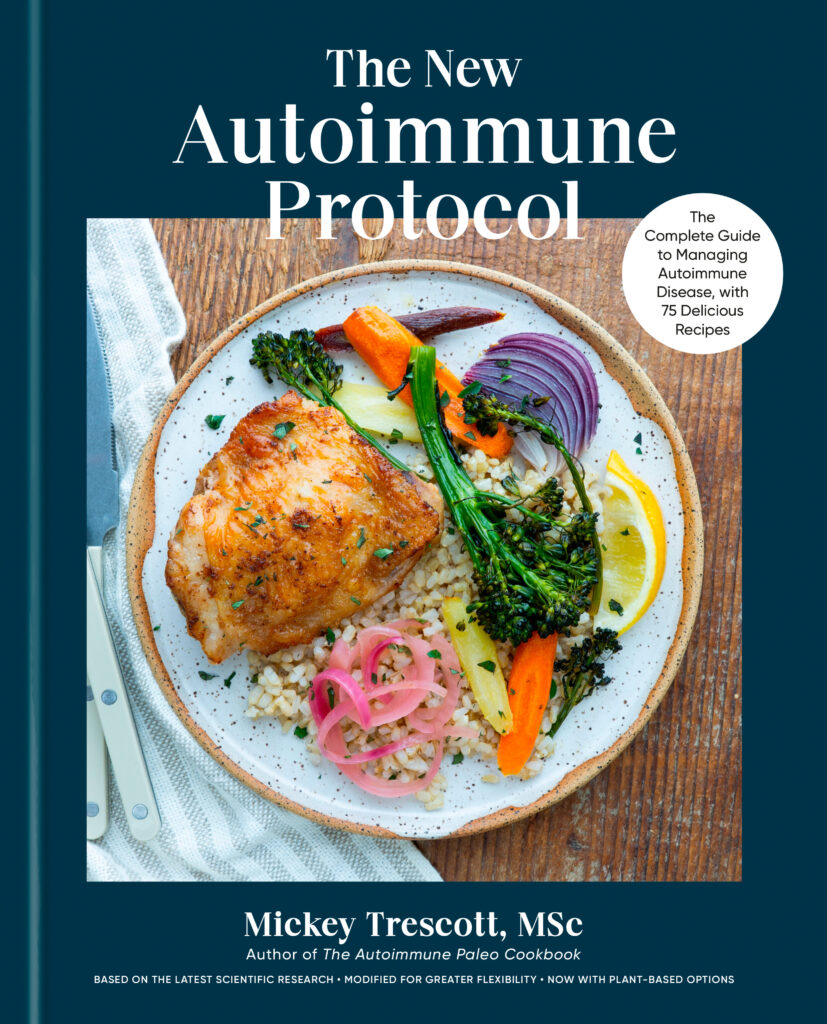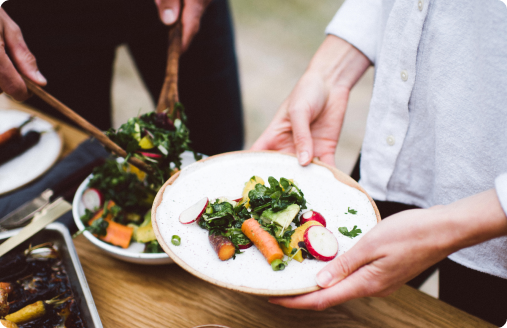
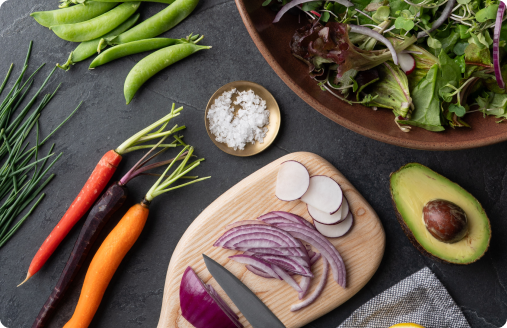
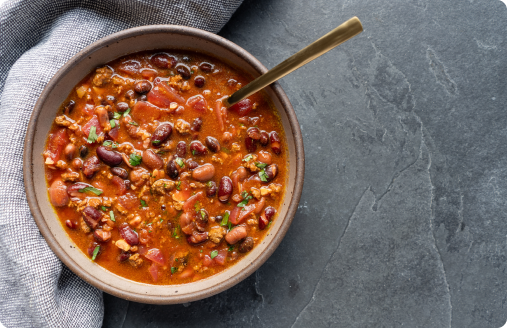


The Elimination Phase of the Autoimmune Protocol (AIP)
A Clear, Updated, and Sustainable Guide to Phase Two
The Elimination Phase is the most recognizable part of the Autoimmune Protocol—and also the most misunderstood. This guide explains what the Elimination Phase actually is, why it exists, how long it should last, and how to approach it in a way that supports healing rather than burnout. You’ll learn the purpose of elimination, how it fits into the larger AIP framework, and how the updated 2024 guidelines introduce two clear pathways—Core AIP and Modified AIP—so you can choose the option that best fits your needs while still staying aligned with research and long-term sustainability.
What You’ll Learn in This Guide
- What the Elimination Phase of AIP is—and what it is not
- Why elimination is a temporary learning phase, not a lifelong diet
- How long the Elimination Phase should last and what determines readiness to move on
- The difference between Core AIP (used in all medical research) and Modified AIP (a more accessible, updated option)
- What foods to avoid and what to prioritize for nutrient density and stability
- How to prepare meals, routines, and expectations for the first few weeks
- Common challenges during elimination and how to troubleshoot them compassionately
The AIP Elimination Phase: Widely Known, Often Misunderstood
After completing the Transition Phase—clarifying your motivation, preparing your kitchen, and building supportive systems—you’re ready for the phase most people associate with AIP: Elimination. It’s the most visible part of the protocol, and also the one surrounded by the most confusion. A quick search for “AIP food list” often leads to conflicting charts, overly restrictive advice, and mixed messages that can feel overwhelming before you even begin.
That confusion is exactly why the Autoimmune Protocol was updated in 2024. For the first time in more than a decade, AIP now includes two clearly defined elimination pathways, shaped by research, practitioner experience, and real-world outcomes: Core AIP, the original framework used in all medical studies, and Modified AIP, a more accessible and sustainable option. This update brings clarity and flexibility—without compromising the protocol’s effectiveness.
Just as importantly, the Elimination Phase is frequently misunderstood. It is not a diet you stay on forever, a test of discipline, or a lifestyle built around restriction. Instead, it is a temporary, structured experiment designed to calm inflammation, stabilize symptoms, and create a clean biological slate. By removing common inflammatory triggers for a defined period—typically 30 to 90 days—you gain the clarity needed to identify your personal food sensitivities and prepare for the most important phase of AIP: Reintroduction. The goal isn’t long-term restriction; it’s understanding, personalization, and ultimately, a more abundant and sustainable way of eating.
Core AIP vs. Modified AIP: Understanding the 2024 Update
For the first decade of the Autoimmune Protocol, there was only one version of the Elimination Phase—what is now called Core AIP. This is the original framework and the version used in all published medical research on AIP, including studies on inflammatory bowel disease, Hashimoto’s thyroiditis, rheumatoid arthritis, and psoriasis. Over time, however, practitioner experience and real-world outcomes revealed that while Core AIP is effective, not everyone needs the same level of restriction to achieve meaningful results.
In response, the Autoimmune Protocol was formally updated in 2024 to include Modified AIP. This update preserves the scientific and clinical integrity of the protocol while offering a more accessible and sustainable starting point for many people.
Now you have two ways to approach elimination:
Core AIP Elimination
Core AIP is the most comprehensive version of the Elimination Phase and closely mirrors the framework used in all AIP clinical studies. It removes a broader range of potentially inflammatory foods in order to create the clearest possible baseline. This approach may be particularly helpful for individuals with severe symptoms, complex conditions, or those who want to follow the research model exactly.
Modified AIP Elimination
Modified AIP is a more accessible version of the Elimination Phase designed to lower the barrier to entry while preserving the core principles of AIP. It allows a small number of foods that were previously removed in the original framework, making the protocol easier to implement while still supporting inflammation reduction, symptom stabilization, and preparation for reintroduction.
Shared Goals, Different Starting Points
Both Core AIP and Modified AIP are designed to reduce inflammation, calm immune activity, support gut integrity, improve nutrient density, and prepare the body for the reintroduction phase. The difference is not in the destination, but in the path taken to get there. Modified AIP offers flexibility where possible, while Core AIP remains available when a more intensive reset is needed.
Core AIP Foods to Avoid
Grains, Gluten, and Pseudo-grains
Amaranth, barley, buckwheat, bulgur, chia, corn, durum, farro, fonio, Job’s tears, Kamut, millet, oats, quinoa, rice, rye, sorghum, spelt, teff, triticale, wheat (all varieties, including einkorn and semolina), wild rice — and all foods derived from these ingredients.
Dairy
Butter, buttermilk, butter oil, cheese, cottage cheese, cream, cream cheese, curds, dairy-protein isolates, ghee, heavy cream, ice cream, kefir, milk, sour cream, whey, whey protein, whipping cream, yogurt, and all foods derived from these ingredients.
Eggs
Chicken eggs, duck eggs, goose eggs, quail eggs, and any other type of egg.
Legumes
Adzuki beans, black beans, black-eyed peas, butter beans, calico beans, cannellini beans, chickpeas (aka garbanzo beans), fava beans (aka broad beans), Great Northern beans, green beans, Italian beans, kidney beans, lentils, lima beans, mung beans, navy beans, peanuts, peas, pinto beans, runner beans, split peas, soybeans (including edamame, tofu, tempeh, other soy products, and soy isolates, such as soy lecithin), and any other beans or legumes.
Nightshades (including spices derived from them)
Ashwagandha, bell peppers, Cape gooseberries (ground cherries, not to be confused with regular cherries), cayenne peppers, eggplant, garden huckleberries (not to be confused with regular huckleberries), goji berries (aka wolfberries), hot peppers (chile peppers and chile-based spices), naranjillas, paprika, pepinos, pimentos, potatoes, tamarillos, tobacco, tomatillos, tomatoes.
Processed vegetable oils
Canola oil (rapeseed oil), corn oil, cottonseed oil, grapeseed oil, palm kernel oil, palm olein, peanut oil, safflower oil, soybean oil, sunflower oil.
Nuts and nut products
Almonds, Brazil nuts, cashews, chestnuts, hazelnuts, macadamia nuts, pecans, pine nuts, pistachios, walnuts, and any flavors, flours, butters, oils, or other products derived from them.
Seeds and seed products
Allspice, anise seeds, annatto seeds, black caraway (Russian caraway, black cumin), cardamom, celery seeds, chia seeds, chocolate, cocoa, coffee, coriander seeds, cumin seeds, dill seeds, fennel seeds, fenugreek seeds, flax seeds, hemp seeds, juniper berries, mustard seeds, nutmeg, pepper, poppy seeds, pumpkin seeds, sesame seeds, sunflower seeds, and any other seeds.
Non-nutritive sweeteners and sugar alcohols
Acesulfame potassium, aspartame, erythritol, mannitol, neotame, saccharin, sorbitol, stevia, sucralose, xylitol.
Processed food chemicals and ingredients
Acrylamides, artificial food color, artificial and natural flavors, autolyzed protein, brominated vegetable oil, emulsifiers (carrageenan, cellulose gum, guar gum, lecithin, xanthan gum), hydrolyzed vegetable protein, olestra, phosphoric acid, propylene glycol, textured vegetable protein, trans fats (partially hydrogenated vegetable oil, hydrogenated oil), yeast extract, any ingredient with an unrecognized chemical name.
Alcohol
Beer, liquor, mead, wine, or similar products.
Core AIP Foods to Include
Leafy vegetables
Arugula, beet greens, bok choy, broccoli rabe, brussels sprouts, cabbage, carrot tops, celery, chicory, collard greens, cress, dandelion greens, endive, kale, lamb’s lettuce, lettuce, mizuna, mustard greens, napa cabbage, purslane, radicchio, sorrel, spinach, Swiss chard, tatsoi, turnip greens, watercress.
Non-Starchy Vegetables
Artichokes, asparagus, broccoli, capers, cauliflower, celery, fennel, nopal, rhubarb, squash blossoms.
Allium-Family Vegetables
Chives, garlic, leeks, onions, scallions, shallots, wild leeks (ramps).
Roots, Tubers, and Bulb Vegetables
Arrowroot, bamboo shoots, beets, burdock, carrots, cassava, celeriac, daikon, ginger, horseradish, Jerusalem artichokes, jicama, kohlrabi, lotus root, parsnips, radishes, rutabaga, sweet potatoes, taro, tigernut, turnips, wasabi, water chestnuts, yacon, yams.
Vegetable-Like Fruits
Avocado, bitter melon, chayote, cucumber, okra, olives, plantains, pumpkin, squash, zucchini.
Berries
Acai, bilberries, blackberries, blueberries, cranberries, currants, elderberries, gooseberries, grapes, huckleberries, lingonberries, loganberries, mulberries, muscadines, Oregon grapes, raspberries, salmonberries, sea buckthorn, strawberries.
Rosaceae-family fruits
Apples, apricots, cherries, nectarines, peaches, pears, plums, quince, rosehips.
Melons
Cantaloupe, honeydew, horned melon, melon pears, Persian melon, watermelon, winter melon.
Citrus-Family Fruits
Blood oranges, Buddha’s hands, clementines, grapefruits, key limes, kumquats, lemons, limes, makrut limes, mandarins, Meyer lemons, orangelos, oranges, pomelos, tangelos, tangerines, yuzu.
Tropical Fruits
Acerola, bananas, cherimoya, coconut, dates, dragon fruit, durian, figs, guava, jackfruit, kiwi, loquat, lychee, mangos, mangosteen, papaya, passionfruit, pawpaw, persimmons, pineapple, plantains, pomegranates, quince, rambutan, star fruit, tamarind, vanilla.
Edible Fungi and Mushrooms
Chanterelles, creminis, morels, oysters, porcinis, portobellos, shiitakes, truffles.
Meat
Antelope, bear, boar, buffalo (bison), caribou, cattle (beef, veal), deer (venison), elk, goat, hare, horse, kangaroo, moose, pig (pork), rabbit, sheep (lamb, mutton).
Poultry
Chicken, dove, duck, goose, grouse, guinea hen, ostrich, pheasant, quail, turkey.
Fish
Anchovy, arctic char, bass, bonito, carp, catfish, cod, eel, gar, haddock, hake, halibut, herring, mackerel, mahi-mahi, marlin, monkfish, perch, pollock, salmon, sardines, snapper, sole, swordfish, tilapia, trout, tuna, turbot, walleye.
Shellfish
Clams, crab, crawfish, lobster, mussels, octopus, oysters, scallops, shrimp, squid.
Sea Vegetables
Arame, dulse, hijiki, kombu, nori, wakame.
Animal Fats
Bacon fat, lard (rendered pig back fat), leaf lard (rendered pig kidney fat), pan drippings, poultry fat, salo, schmaltz (chicken or goose fat), strutto (clarified pork fat), tallow (rendered fat from beef, lamb, or mutton).
Offal
Bones, heart, kidney, liver, spleen, tongue.
Plant Fats
Avocado oil, coconut oil, olive oil, palm oil, palm shortening, red palm oil.Avocado oil, coconut oil, olive oil, palm oil, palm shortening, red palm oil.
Probiotic Foods
Fermented meat or fish, kombucha, kvass, lacto-fermented fruits and vegetables, non-dairy kefir, sauerkraut. (Always check additional ingredients).
Leaf, Flower, Root and Bark Spices
Asafetida, basil leaf, bay leaf, chamomile, chervil, chives, cilantro (coriander leaf), cinnamon, cloves, curry leaf, dill weed, fennel leaf, garlic, ginger, horseradish (root), lavender, lemongrass, mace, makrut lime leaf, marjoram leaf, onion powder, oregano leaf, parsley, peppermint, rosemary, saffron, sage, savory leaf, spearmint, tarragon, thyme, truffles, turmeric, vanilla (whole-bean and extract).
Beverages
Black tea, coconut milk (without additives), coconut water, green tea, kombucha, mineral water, plain water, rooibos tea, sparkling water. (Always check additional ingredients).
Other Flavorings
Anchovies or anchovy paste, apple cider vinegar, balsamic vinegar, capers, carob powder, coconut aminos (a soy sauce substitute), coconut concentrate, coconut milk and coconut cream, coconut vinegar, fish sauce, fruit and vegetable juices, jams and chutneys, red wine vinegar, salt, truffle oil, white wine vinegar.
Sweeteners to Include in Moderation
Coconut sugar, coconut syrup, honey, maple sugar, maple syrup, molasses.
Modified AIP Foods to Avoid
Cereal Grains and Gluten (Except rice)
Barley, bulgur, corn, durum, farro, fonio, Job’s tears, Kamut, millet, oats, rye, sorghum, spelt, teff, triticale, wheat (all varieties, including einkorn and semolina), and all foods derived from these ingredients.
Dairy (except ghee)
Butter, buttermilk, butter oil, cheese, cottage cheese, cream, cream cheese, curds, dairy-protein isolates, heavy cream, ice cream, kefir, milk, sour cream, whey, whey protein, whipping cream, yogurt, and all foods derived from these ingredients.
Eggs
Chicken eggs, duck eggs, goose eggs, quail eggs, or any other type of egg.
Nightshades (including spices derived from them)
Ashwagandha, bell peppers, Cape gooseberries (ground cherries, not to be confused with regular cherries), cayenne peppers, eggplant, garden huckleberries (not to be confused with regular huckleberries), goji berries (aka wolfberries), hot peppers (chile peppers and chile-based spices), naranjillas, paprika, pepinos, pimentos, potatoes, tamarillos, tobacco, tomatillos, tomatoes.
Soy
Edamame, miso, natto, tamari, tempeh, tofu, or other products derived from soy (including soy cheese, milk, protein, ice cream, sauce, and others).
Tree nuts and peanuts (including ingredients derived from them)
Almonds, Brazil nuts, cashews, chestnuts, hazelnuts, macadamia nuts, peanuts, pecans, pine nuts, pistachios, walnuts, and any flavors, flours, butters, oils, or other products derived from them.
Nonnutritive sweeteners and sugar alcohols
Acesulfame potassium, aspartame, erythritol, mannitol, neotame, saccharin, sorbitol, stevia, sucralose, xylitol.
Processed food chemicals and ingredients
Acrylamides, artificial food color, artificial and natural flavors, autolyzed protein, brominated vegetable oil, emulsifiers (carrageenan, cellulose gum, guar gum, lecithin, xanthan gum), hydrolyzed vegetable protein, olestra, phosphoric acid, propylene glycol, textured vegetable protein, trans fats (partially hydrogenated vegetable oil, hydrogenated oil), yeast extract, any ingredient with an unrecognized chemical name.
Alcohol
Beer, liquor, mead, wine, or similar products.
Modified AIP Foods to Include
Leafy vegetables
Arugula, beet greens, bok choy, broccoli rabe, brussels sprouts, cabbage, carrot tops, celery, chicory, collard greens, cress, dandelion greens, endive, kale, lamb’s lettuce, lettuce, mizuna, mustard greens, napa cabbage, purslane, radicchio, sorrel, spinach, Swiss chard, tatsoi, turnip greens, watercress.
Non-Starchy Vegetables
Artichokes, asparagus, broccoli, capers, cauliflower, celery, fennel, nopal, rhubarb, squash blossoms.
Allium-Family Vegetables
Chives, garlic, leeks, onions, scallions, shallots, wild leeks (ramps).
Roots, Tubers, and Bulb Vegetables
Arrowroot, bamboo shoots, beets, burdock, carrots, cassava, celeriac, daikon, ginger, horseradish, Jerusalem artichokes, jicama, kohlrabi, lotus root, parsnips, radishes, rutabaga, sweet potatoes, taro, tigernut, turnips, wasabi, water chestnuts, yacon, yams.
Vegetable-Like Fruits
Avocado, bitter melon, chayote, cucumber, okra, olives, plantains, pumpkin, squash, zucchini.
Berries
Acai, bilberries, blackberries, blueberries, cranberries, currants, elderberries, gooseberries, grapes, huckleberries, lingonberries, loganberries, mulberries, muscadines, Oregon grapes, raspberries, salmonberries, sea buckthorn, strawberries.
Rosaceae-family fruits
Apples, apricots, cherries, nectarines, peaches, pears, plums, quince, rosehips.
Melons
Cantaloupe, honeydew, horned melon, melon pears, Persian melon, watermelon, winter melon.
Citrus-Family Fruits
Blood oranges, Buddha’s hands, clementines, grapefruits, key limes, kumquats, lemons, limes, makrut limes, mandarins, Meyer lemons, orangelos, oranges, pomelos, tangelos, tangerines, yuzu.
Tropical Fruits
Acerola, bananas, cherimoya, coconut, dates, dragon fruit, durian, figs, guava, jackfruit, kiwi, loquat, lychee, mangos, mangosteen, papaya, passionfruit, pawpaw, persimmons, pineapple, plantains, pomegranates, quince, rambutan, star fruit, tamarind, vanilla.
Rice, pseudo-grains and grain-like substances
Amaranth, buckwheat, chia, quinoa, rice, wild rice.
Legumes (except peanuts and soy):
Adzuki beans, black beans, black-eyed peas, butter beans, calico beans, cannellini beans, chickpeas (aka garbanzo beans), fava beans (aka broad beans), Great Northern beans, green beans, Italian beans, kidney beans, lentils, lima beans, mung beans, navy beans, pinto beans, peas, runner beans, split peas.
Edible Fungi and Mushrooms
Chanterelles, creminis, morels, oysters, porcinis, portobellos, shiitakes, truffles.
Meat
Antelope, bear, boar, buffalo (bison), caribou, cattle (beef, veal), deer (venison), elk, goat, hare, horse, kangaroo, moose, pig (pork), rabbit, sheep (lamb, mutton).
Poultry
Chicken, dove, duck, goose, grouse, guinea hen, ostrich, pheasant, quail, turkey.
Fish
Anchovy, arctic char, bass, bonito, carp, catfish, cod, eel, gar, haddock, hake, halibut, herring, mackerel, mahi-mahi, marlin, monkfish, perch, pollock, salmon, sardines, snapper, sole, swordfish, tilapia, trout, tuna, turbot, walleye.
Shellfish
Clams, crab, crawfish, lobster, mussels, octopus, oysters, scallops, shrimp, squid.
Sea Vegetables
Arame, dulse, hijiki, kombu, nori, wakame.
Animal Fats
Bacon fat, lard (rendered pig back fat), leaf lard (rendered pig kidney fat), pan drippings, poultry fat, salo, schmaltz (chicken or goose fat), strutto (clarified pork fat), tallow (rendered fat from beef, lamb, or mutton).
Offal
Bones, heart, kidney, liver, spleen, tongue.
Plant Fats
Bones, heart, kidney, liver, spleen, tongue.
Dairy (ghee only)
Ghee (only).
Probiotic Foods
Fermented meat or fish, kombucha, kvass, lacto-fermented fruits and vegetables, non-dairy kefir, sauerkraut. (Always check additional ingredients).
Seeds (including oils and spices derived from them):
Allspice, anise seeds, annatto seeds, black caraway (Russian caraway, black cumin), cardamom, celery seeds, chia seeds, chocolate, cocoa, coffee, coriander seeds, cumin seeds, dill seeds, fennel seeds, fenugreek seeds, flax seeds, hemp seeds, juniper berries, mustard seeds, nutmeg, pepper, poppy seeds, pumpkin seeds, sesame seeds, sunflower seeds.
Leaf, Flower, Root and Bark Spices
Asafetida, basil leaf, bay leaf, chamomile, chervil, chives, cilantro (coriander leaf), cinnamon, cloves, curry leaf, dill weed, fennel leaf, garlic, ginger, horseradish (root), lavender, lemongrass, mace, makrut lime leaf, marjoram leaf, onion powder, oregano leaf, parsley, peppermint, rosemary, saffron, sage, savory leaf, spearmint, tarragon, thyme, truffles, turmeric, vanilla (whole-bean and extract).
Beverages
Black tea, coconut milk (without additives), coconut water, green tea, kombucha, mineral water, plain water, rooibos tea, sparkling water. (Always check additional ingredients).
Other Flavorings
Anchovies or anchovy paste, apple cider vinegar, balsamic vinegar, capers, carob powder, coconut aminos (a soy sauce substitute), coconut concentrate, coconut milk and coconut cream, coconut vinegar, fish sauce, fruit and vegetable juice, jams and chutneys, red wine vinegar, salt, truffle oil, white wine vinegar.
Sweeteners to Include in Moderation
Coconut sugar, coconut syrup, honey, maple sugar, maple syrup, molasses.
Download the Official AIP Food Lists
Sign up to have accurate, printable food lists delivered to your inbox. The AIP Foundation Series gives you the food lists, meal plans, and reintroduction tools you need to start with confidence.
How Long Should You Stay in the Elimination Phase?
A general recommendation is to spend between 30 and 90 days in the Elimination Phase, and this window is intentional. It’s long enough to allow meaningful physiological change, but short enough to prevent unnecessary restriction or burnout.
For many people, 30 days is the minimum amount of time needed to see clear shifts in inflammation-driven symptoms such as pain, digestion, fatigue, or skin changes. This period allows the immune system to calm and gives the body a chance to respond to the removal of common triggers. Spending closer to 60 days often provides deeper stability, especially for individuals with complex autoimmune conditions, long symptom histories, or multiple overlapping stressors. At this point, improvements tend to feel more consistent rather than fluctuating.
Ninety days is generally considered the upper limit for most people. Beyond this point, the benefits of continued elimination often plateau, while the risks of unnecessary restriction—nutrient gaps, social strain, or fear around food—begin to increase. Staying in elimination longer does not usually produce better results.
If you are not seeing meaningful improvements by the 90-day mark, the answer is not to stay in elimination indefinitely. Instead, it’s time to pause and troubleshoot. Helpful questions include whether you are consistently following your chosen version of AIP, whether your meals are truly nutrient-dense and adequate in calories, and whether key lifestyle factors—such as sleep, stress regulation, and movement—are supporting healing. In some cases, additional medical testing or professional guidance may be needed to uncover factors that diet alone cannot address.
The Elimination Phase is a temporary commitment, not a permanent way of eating. Its purpose is to create clarity and stability so that you can move forward into reintroductions with confidence and build a long-term diet that is both nourishing and sustainable.
What to Expect in the First Few Weeks
Even with thoughtful preparation, the early weeks of the Elimination Phase can feel like an adjustment period. This doesn’t mean you’re doing anything wrong—it simply reflects the fact that your body, metabolism, and routines are adapting to meaningful change. Many people notice temporary shifts during this time, including periods of fatigue, digestive changes, or emotional ups and downs.
- Temporary fatigue is common as your metabolism adjusts to changes in macronutrient balance, meal timing, and overall nutrient intake. Your body may be shifting how it accesses energy, especially if you’re reducing refined carbohydrates or processed foods.
- Digestive fluctuations can also occur as your gut microbiome adapts to increased fiber, greater food variety, and fewer inflammatory inputs. Changes in bowel habits, bloating, or gas are often part of this recalibration and typically improve as the gut environment stabilizes.
- Cravings may surface as blood sugar patterns shift or as emotional and habitual relationships with food become more visible. These cravings aren’t a failure of willpower—they’re signals that your body and nervous system are adjusting to new inputs.
- Many people also experience kitchen overwhelm in the beginning. Elimination often requires more home cooking, new ingredients, and unfamiliar routines, which can feel time-consuming or mentally taxing before systems fall into place.
- Emotional changes are another common—and often unexpected—part of early elimination. Food influences hormones, neurotransmitters, and daily rhythms, so shifts in mood, motivation, or emotional sensitivity can occur as your body recalibrates.
The important thing to remember is that each of these challenges has practical solutions, and nearly all of them stabilize as your body establishes its new baseline. With adequate nourishment, realistic pacing, and supportive systems, the Elimination Phase typically becomes easier—not harder—over time.
Meal Prep, Batch Cooking, and Making AIP Sustainable
What determines adherence on AIP isn’t willpower—it’s systems. The people who stay consistent aren’t more disciplined; they’ve built rhythms that reduce daily decision-making and support their energy. The most successful AIP journeys tend to share a few simple, repeatable habits.
Use simple meal templates
Rather than reinventing meals each day, rely on a basic structure you can repeat and adapt: a protein, a variety of vegetables, and a healthy fat. This template keeps meals nutritionally balanced and satisfying without requiring complex recipes. For example, roasted chicken with sautéed greens and olive oil, or ground turkey with mixed vegetables and avocado. Once you have a few go-to combinations, shopping and cooking become much easier, and decision fatigue drops dramatically.
Batch cook with intention
Batch cooking doesn’t mean spending all day in the kitchen. Two short cooking sessions per week—often one early in the week and one midweek—can cover most meals. Focus on cooking versatile proteins (such as roasted meats, slow-cooked stews, or seasoned ground meat) and large trays of vegetables that can be mixed and matched. Leftovers aren’t a compromise; they’re a strategy that saves time, energy, and stress.
Keep your freezer stocked with essentials
A well-stocked freezer is one of the strongest predictors of long-term success on AIP. Freeze portions of cooked proteins, soups, stews, and broths so you always have a fallback option when energy is low or plans change. Frozen vegetables, pre-made sauces, and single-serving meals can turn an overwhelming day into a manageable one. The goal is to never feel stuck with “nothing to eat.”
Repeat meals without guilt
Eating the same breakfast or lunch several days in a row is not a failure—it’s a system. Repetition reduces cognitive load and helps stabilize blood sugar and digestion. Variety can come later; consistency now supports healing.
Plan for low-energy days
Assume there will be days when cooking feels impossible. Having ready-to-eat options—like freezer meals, slow-cooker dishes, or simple “assembly meals”—prevents those days from turning into derailments.
AIP is not meant to feel like cooking school or a creativity challenge. The goal is not perfection or novelty—it’s repeatable rhythms that support healing, reduce stress, and make consistency feel possible.
Choosing Between Core and Modified AIP
Here’s a simple way to decide where to begin:
Modified AIP is often the best starting point if you’re:
- New to therapeutic or elimination-style diets
- Balancing limited time, energy, budget, or access to specialty foods
- Looking for a flexible foundation that still supports healing
- Implementing AIP on your own, without close practitioner oversight
Modified AIP is designed to lower the barrier to entry while preserving the core intent of the protocol, making it easier to stay consistent and avoid burnout.
Core AIP may be a better fit if you:
- Want to follow the exact framework used in medical research
- Are experiencing severe or complex symptoms and want the most comprehensive reset
- Are working with a clinician who recommends Core AIP specifically
- Feel well-supported, prepared, and confident taking on a more restrictive approach
Both versions are valid, evidence-informed pathways within the same framework. They lead to the same destination: clarity, symptom stabilization, and successful reintroductions. The difference lies in how much restriction you need at the start—and how much support will help you stay consistent along the way.
Next Steps
Learn More About the Next Phases of AIP
Reintroduction Phase Guide
Discover how to reintroduce foods strategically and build your personalized, long-term AIP diet.
Deepen Your Understanding
AIP Frequently Asked Questions
Clear, evidence-informed answers to the most common questions about getting started, staying consistent, and navigating challenges.
Medical Research Review
Explore summaries of all published AIP studies and understand the science behind how and why the protocol works.
Life After AIP
Learn what a sustainable, individualized AIP lifestyle looks like once all three phases are complete.
Free Tools and Resources
Access printable food lists for Core and Modified AIP, meal plans, symptom trackers, and reintroduction charts inside the AIP Foundation Series, a free five-day email course designed to help you begin with clarity and confidence.