

Skip to the content

What Is AIP? The Complete Guide to the Autoimmune Protocol (Updated 2026)

The Autoimmune Protocol (AIP) is one of the most widely recognized frameworks for managing autoimmune disease with food and lifestyle.

Autoimmune disease is rising at a pace never seen before. For millions of people—mostly women—their symptoms arrive without warning and often without answers. Diagnosis can take years. Treatment can help but doesn’t always resolve symptoms. And in that space of confusion and uncertainty, many people begin looking for something more structured, empowering, and personally responsive. That’s where the Autoimmune Protocol (AIP) comes in.

Over the last decade, AIP has gone viral across patient communities and clinical settings. It has been tested in published medical research, adopted by trained healthcare providers, and used by thousands of people to understand their symptoms, reduce inflammation, and improve quality of life. But with its popularity came something else: confusion. There are outdated versions of AIP, overly restrictive lists circulating online, and misconceptions that make the protocol feel more intimidating than it needs to be.

This article cuts through that noise and delivers the current, evidence-informed, updated understanding of AIP—what it is, how it works, and how to decide whether it might be right for you.

What You’ll Learn in This Guide

  • Autoimmune disease is increasing and why people are turning to AIP
  • The true origin story of the Autoimmune Protocol
  • What AIP actually is (and what it isn’t)
  • A full explanation of the three phases of AIP: Transition, Elimination, Reintroduction
  • How the 2024 update created two versions of the Elimination Phase: Core and Modified AIP
  • What medical research using AIP show using the protocol for IBD, Hashimoto’s, RA, and more
  • Common myths and controversies about AIP
  • How to decide if AIP is a fit for your health goals

Why Autoimmune Patients are Using the Autoimmune Protocol

An Autoimmune Epidemic and Lack of Treatment Options

Autoimmune disease includes more than 100 conditions—Hashimoto’s thyroiditis, rheumatoid arthritis, lupus, psoriasis, multiple sclerosis, inflammatory bowel disease, and many others. Together, they are now among the most common chronic illnesses worldwide.

Despite how widespread autoimmune disease is, many people experience:

  • Long delays in diagnosis
  • Symptoms dismissed as stress, anxiety, or “normal” lab variation
  • Medications that help but don’t fully resolve symptoms

If you’re here, you may know this story personally, like I do. In my twenties, before I became a nutritionist and author, I was navigating unexplained fatigue, pain, anxiety, and hair loss. After finally being diagnosed with Hashimoto’s and celiac disease, I was told to “wait and see” as my symptoms grew worse. I began searching for something—anything—I could implement myself. That search led me to the earliest version of the Autoimmune Protocol, a grassroots experiment shared by a small online community.

What I found was not a “cure”, but a framework that restored a sense of direction at a time when everything felt chaotic. That early experience is what eventually led me to create recipes, publish books, study nutrition formally, and help bring AIP into clinical research settings.

The Origin of the Autoimmune Protocol

From Grassroots Experiment to Global Movement

What we now recognize as the Autoimmune Protocol began around 2011, when a small group of autoimmune patients started comparing notes online.

Back then:

  • There was no official protocol
  • Food lists were crowdsourced
  • People were experimenting out of necessity
  • There were scant recipe resources
  • Research on diet and autoimmunity was limited
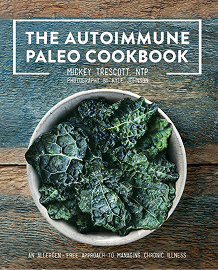
I was part of this early community, working as a personal chef. As people asked, “Okay, but what do I actually cook?”, I began developing recipes that fit the emerging framework. Those recipes eventually became The Autoimmune Paleo Cookbook, the first title dedicated entirely to AIP.

Around the same time, scientific discussions around gut health, immune activation, and dietary triggers began expanding. Researchers like Dr. Sarah Ballantyne helped build the first coherent, theoretical version of AIP that aligned with immunology and digestive physiology. The community grew rapidly—by 2015, my website was reaching millions of readers annually, and healthcare providers were using AIP with their patients.

Then something remarkable happened: clinical researchers took interest. Teams at Scripps San Diego launched the first pilot studies on AIP for inflammatory bowel disease. These were followed by studies on Hashimoto’s thyroiditis, rheumatoid arthritis, and psoriasis. Suddenly, a grassroots experiment had become a global movement grounded in community experience and emerging evidence.

What AIP Actually Is (and What It Isn’t)

Let’s start with the simplest, most accurate definition: AIP is an evidence-based framework that helps people with autoimmune disease identify which foods and lifestyle factors support or hinder their health.

AIP is not a diet to follow forever—it is a phased learning process. People often misunderstand AIP as a long term, restrictive diet, a list of forbidden foods, a trend, or a cure for autoimmune disease. But AIP is none of those things.

Instead, AIP is a temporary, structured, step-by-step system designed to help you learn how your unique body responds to food and lifestyle patterns. At the end of the process, you eat the most expansive, sustainable diet possible that still supports your health.

The Three Phases of AIP

The AIP unfolds in three phases. First is the Transition Phase, where you prepare your mind, kitchen, and routines for success. Next is the Elimination Phase—Core or Modified AIP—where you remove common triggers and focus on nutrient-dense foods. Finally, the Reintroduction Phase helps you systematically test foods to build a personalized long-term diet.

Most people complete the full process in about six months, though the timeline is flexible.

Phase One: The Transition Phase

Most people want to jump straight into elimination—but preparation is what determines long-term success. There are five fundamental steps to the transition phase:

  1. Track Your Baseline Symptoms: Document your energy, digestion, pain, sleep, skin health, and mood. This gives you meaningful before-and-after comparisons.
  2. Clarify Your Motivation: Define why you’re doing this. When things feel hard, your “why” helps bring you back to center.
  3. Assess Your Readiness: Look at: Schedule, budget, support, cooking skills, and stress levels. Realistic planning prevents burnout.
  4. Stock Your Kitchen and Practice Recipes: Begin adding nutrient-dense AIP foods and practice a few new meals before you remove anything.
  5. Set a Start Date: Choose a stable period in your life. A two- to four-week transition period is ideal.

Why focus on transition: People who prepare thoughtfully feel more confident, less overwhelmed, and more capable of sticking with the elimination phase long enough to gather useful data.

Ready to begin? My in-depth guide to The AIP Transition Phase will help you plan your shift with clarity and confidence.

Phase Two: The Elimination Phase

When people think of AIP, they usually think of this phase. This is the main component of AIP, where you temporarily avoid the foods most likely to provoke an immune response while focusing on nutrient-rich staples. As of 2024, there are now two options for elimination:

  • Core AIP Elimination: The original version used in medical research and early AIP literature. This is the most comprehensive approach and removes categories such as grains, legumes, dairy, processed foods, and nightshades.
  • Modified AIP Elimination: A less restrictive option developed in 2024 to improve accessibility and sustainability. It reduces the number of eliminations while still emphasizing nutrient density and lifestyle practices.

Whichever version you choose, the elimination phase typically lasts 30–90 days — long enough for inflammation to calm and for you to notice meaningful symptom improvement. Importantly, AIP also emphasizes lifestyle strategies during this phase, such as prioritizing sleep, managing stress, and staying active in gentle, supportive ways.

The elimination phase can feel like the biggest leap, but you don’t have to figure it out alone.
Explore my detailed guide to The AIP Elimination Phase for food lists, meal planning tips, and more.

Phase Three: The Reintroduction Phase

Reintroduction is where everything comes together. After 1–3 months of elimination—when symptoms have stabilizedyou begin systematically reintroducing foods. This phase answers:

  • What foods are truly problematic?
  • What foods are perfectly tolerated?
  • What foods fall somewhere in between?

This is where AIP comes full circle. Foods are reintroduced methodically, one at a time, so you can observe your body’s response. This process allows you to build a personalized diet that includes as many foods as possible without worsening symptoms. The goal isn’t to stay restricted, but to find your own balance.

Reintroductions are where the magic happens — this is where you expand your diet and discover your personal balance. My in-depth guide to The AIP Reintroduction Phase will walk you through it step by step.

How AIP Works

AIP is not magic—it’s physiology. A growing body of AIP Medical Research, including studies across multiple autoimmune conditions, points to the same conclusion: the protocol works because it supports five key mechanisms in the body:

Identifying triggers

One of the most valuable outcomes of AIP is learning which foods worsen your symptoms and which you tolerate well. By temporarily removing the foods most likely to trigger immune reactivity and then reintroducing them one at a time, you gain clarity about your own unique sensitivities. This allows you to make informed choices moving forward, rather than relying on guesswork or one-size-fits-all dietary advice.

Correcting nutrient gaps

Nutrient deficiencies are common in autoimmune patients and can directly impact immune function. AIP emphasizes nutrient-dense foods like vegetables, seafood, organ meats, and fermented foods. In one clinical study on Hashimoto’s thyroiditis, patients following AIP dramatically increased their intake of key nutrients: vitamin C intake rose by 886%, beta-carotene by 550%, folates by 198%, and fiber by 162% — all without reducing total calories. This kind of nutritional upgrade supports healing, reduces inflammation, and provides the immune system with what it needs to function optimally.

Managing inflammation

Chronic inflammation is one of the hallmarks of autoimmune disease. AIP helps reduce it from both sides: removing inflammatory triggers while also adding foods rich in anti-inflammatory compounds. Clinical studies show reductions in inflammatory markers, such as a 29% decrease in hs-CRP in Hashimoto’s patients, as well as improvements in fecal calprotectin (a marker of gut inflammation) in IBD patients.

Supporting gut and immune balance

Emerging research suggests that AIP can even shift immune responses at the molecular level. In one study of ulcerative colitis patients, researchers identified 324 genes that changed expression after following AIP. Genes linked to inflammatory T-cell activity were dialed down, while those tied to immune regulation, mucosal healing, and DNA repair were dialed up. This suggests that AIP may not only reduce symptoms but also positively influence immune function at its root.


Because of these shifts, people commonly report clearer energy, improved digestion, fewer flares, better mood stability, and a greater sense of control over their symptoms. AIP is not a cure for autoimmune disease—but it helps restore a more stable, supported foundation so the body can function as well as possible.

What the Medical Research Shows

Seven published studies across multiple autoimmune conditions demonstrate promising results for dietary interventions like the Autoimmune Protocol. Research indicates that removing common dietary triggers while emphasizing nutrient-dense foods can help reduce inflammation, support gut health, and improve immune regulation. Although AIP is not a cure for autoimmune disease, these studies suggest it may provide meaningful improvements in symptoms, energy levels, digestion, and overall quality of life for many individuals.

Inflammatory Bowel Disease (Crohn’s and ulcerative colitis)

The strongest evidence for AIP comes from clinical studies in inflammatory bowel disease (IBD).

In an 11-week clinical study of adults with active Crohn’s disease or ulcerative colitis, participants followed a structured AIP program consisting of a 6-week elimination phase followed by continued maintenance. By week six, 73% of participants achieved clinical remission, and all who reached remission maintained it through the end of the study.

Disease activity scores improved substantially in both Crohn’s disease and ulcerative colitis, and participants reported meaningful improvements in daily functioning and well-being. Quality-of-life scores rose early — some by week three — and continued to improve through week eleven.

Follow-up studies analyzing intestinal tissue samples showed changes beyond symptoms alone. Researchers observed reduced expression of inflammatory genes alongside increased activity in pathways associated with tissue repair and healing, suggesting that the benefits may extend to the gut lining itself, not just symptom relief.

Read a deeper analysis of the research on AIP and IBD here.

Hashimoto’s Thyroiditis

Evidence for AIP in Hashimoto’s thyroiditis comes from supported intervention studies and the results are notable.

In a 10-week multidisciplinary program that included the AIP diet, women with Hashimoto’s thyroiditis reported significant improvements in fatigue, mood, and overall quality of life. While average thyroid hormone levels and antibodies did not change dramatically, markers of systemic inflammation — including high-sensitivity C-reactive protein — decreased, and nearly half of participants taking thyroid medication were able to reduce their dosage under medical supervision.

A more recent 12-week study in euthyroid individuals with Hashimoto’s found that thyroid hormone levels remained within normal ranges while modestly shifting downward, thyroid gland volume decreased on ultrasound, and participants experienced broad symptom improvement. Common complaints such as fatigue, joint pain, poor concentration, dry skin, and swelling were reported far less frequently by the end of the study.

Importantly, thyroid antibodies showed mixed responses, underscoring that AIP does not act as a simple immune “off switch.” Instead, the most consistent benefits appeared in symptom burden, nutritional status, body composition, and quality of life.

Read a deeper analysis of the research on AIP and Hashimoto’s thyroiditis here.

Rheumatoid Arthritis and Psoriasis

Research on AIP specifically for rheumatoid arthritis (RA) and psoriasis is still emerging, but related elimination-diet studies provide early signals.

Observational studies and patient-reported outcomes suggest that some individuals experience reduced pain, stiffness, fatigue, and skin symptoms during structured elimination phases. Many participants report identifying personal food triggers and improved daily function when those foods are avoided.

While the rheumatoid arthritis data has already been published, the psoriasis trial is still waiting for publication, with researchers continuing to evaluate changes in disease severity, quality of life, and inflammatory markers. Many participants across these studies report identifying personal food triggers and improved daily function when those foods are avoided.

Read a deeper analysis of the research on AIP and rheumatoid arthritis here.

Summary of AIP Medical Research Findings

Across conditions, the most consistent findings from AIP research include:

  • Rapid symptom improvement, often within 3–6 weeks
  • Sustained benefits when the protocol is maintained short-term
  • Improvements in quality of life and daily function
  • Biological signals suggesting reduced inflammation and enhanced tissue repair

At the same time, researchers emphasize personalization, medical supervision, and cautious interpretation. AIP is not a cure, nor does it affect all autoimmune diseases — or all individuals — in the same way.

What the evidence does suggest is that dietary interventions can meaningfully influence autoimmune symptoms, and that structured approaches like AIP may offer a valuable, research-supported option for some people when used thoughtfully and appropriately.

Curious about the details behind these results? Head over to my AIP Medical Research Review to see how each study was conducted and what it means for patients.


Anecdotal Evidence for AIP

Before the studies, there were the stories.

Patients began sharing their experiences with AIP on blogs, forums, and social media — and the results spread like wildfire. People with conditions as varied as Crohn’s disease, multiple sclerosis, psoriasis, and lupus described how their symptoms eased, energy improved, and quality of life returned.

At Autoimmune Wellness, we’ve collected more than 75 in-depth interviews with people who have successfully used AIP to manage autoimmune conditions. These stories are inspiring not only because of the health improvements they describe, but also because they show the many different ways AIP can be adapted to fit real life.

Need some inspiration? Explore our Stories of Recovery series to read how real people with autoimmune disease have used AIP to reclaim their health.

Myths & Controversies About AIP

As AIP grew in popularity, misunderstandings followed. Here are the most common myths—and the truth behind them.

Myth 1: “AIP is just another fad diet.”

Reality: AIP is rooted in clinical research and therapeutic practice, not trends. The Autoimmune Protocol evolved from ancestral and elimination-diet frameworks used in clinical nutrition and gastroenterology. It is supported by peer-reviewed research, formal practitioner training programs, and over a decade of documented real-world use in autoimmune populations. Unlike fad diets designed for rapid weight loss, AIP is a structured therapeutic intervention with clearly defined phases, clinical intent, and an exit strategy.

Myth 2: “AIP is incredibly restrictive.”

Reality: The restriction is intentional — and temporary. The elimination phase is designed to calm inflammation and identify triggers, not to be followed indefinitely. Once symptoms stabilize, foods are systematically reintroduced to determine what works for your body. Most people end up with a far more diverse and personalized diet than they started with — often broader than before AIP, but without the foods that worsen symptoms.

Myth 3: “AIP isn’t backed by science.”

Reality: AIP has a growing and credible evidence base. To date, seven peer-reviewed studies have examined AIP or closely related protocols. These studies show improvements in:

  • Autoimmune symptoms
  • Quality of life and daily function
  • Gut inflammation and gene expression
  • Thyroid-related outcomes and systemic inflammation

While research is still emerging and studies are relatively small, the findings are consistent, biologically plausible, and clinically meaningful, especially compared to the lack of dietary guidance offered for many autoimmune conditions.

Myth 4: “AIP replaces medical treatment.”

Reality: AIP works best alongside medical care — not instead of it. AIP is a complementary tool, not a replacement for medication, diagnostics, or professional care. In fact, the best outcomes in studies and clinical practice occur when AIP is used in coordination with healthcare providers. Some participants are able to reduce medications under supervision, but this is a result, not a goal. AIP supports the body; medicine manages disease — and the two are strongest together.

Myth 5: “AIP is one-size-fits-all.”

Reality: Personalization is the core principle of AIP. No two autoimmune conditions — or people — are the same. AIP is designed to help you discover your unique triggers, tolerances, and nutritional needs. The goal is never lifelong restriction or strict compliance, but rather arriving at your optimal, sustainable diet — one that supports health, symptoms, culture, and enjoyment of food.

Is AIP Right for You?

You may benefit from AIP if:

  • You have a diagnosed autoimmune condition
  • Your symptoms persist despite treatment
  • You’re seeking a structured, evidence-based approach
  • You want to better understand your triggers
  • You’re willing to engage with a guided, mindful process

You may not be ready for AIP if:

  • You are experiencing severe food anxiety
  • You are currently in recovery from an eating disorder
  • You don’t have capacity to prepare simple meals
  • You lack the support needed to sustain a temporary elimination

AIP is flexible. It can be adapted with the guidance of a trained professional such as an AIP Certified Coach, nutritionist, or physician.

Where to Go Next

Learn more details about how to implement each phase of AIP, answer questions, gain inspiration, or learn more about long-term management.

  • Transition Phase  Prepare your mind, kitchen, and routines for success.
  • Elimination Phase  Learn the difference between Core and Modified AIP and choose your starting point.
  • Reintroduction Phase  Discover how to test foods and build your personalized long-term diet.
  • AIP FAQ  Clear, compassionate answers to common questions.
  • Life After AIP  Explore what your life can look like once the framework is complete.
  • Medical Research Review  Read summaries of all seven published AIP studies.
  • Testimonials  Real recovery stories from people who’ve walked this path.

Ready to take your first steps with AIP?

The free AIP Foundation Series gives you 60+ pages of downloadable materials, including Core & Modified AIP food lists, meal plans, and everything you need to begin your journey.


This article was reviewed for accuracy and updated in 2026.

Peer-Reviewed Scientific References

  1. Konijeti GG, Kim N, Lewis JD, et al. Efficacy of the Autoimmune Protocol Diet for Inflammatory Bowel Disease. Inflamm Bowel Dis. 2017;23(11):2054-2060.
  2. Chandrasekaran A, Groven S, Lewis JD, et al. An Autoimmune Protocol Diet Improves Patient-Reported Quality of Life in Inflammatory Bowel Disease. Crohns Colitis 360. 2019;1(3):otz019.
  3. Chandrasekaran A, Molparia B, Akhtar E, et al. The Autoimmune Protocol Diet Modifies Intestinal RNA Expression in Inflammatory Bowel Disease. Crohns Colitis 360. 2019;1(3):otz016.
  4. Lee J, Pedretti C, Konijeti G. Clinical Course and Dietary Patterns Among Patients Incorporating the Autoimmune Protocol for Management of Inflammatory Bowel Disease. Curr Dev Nutr. 2019;3(Suppl 1):P12-010-19.
  5. Abbott RD, Sadowski A, Alt AG. Efficacy of the Autoimmune Protocol Diet as Part of a Multi-Disciplinary, Supported Lifestyle Intervention for Hashimoto’s Thyroiditis. Cureus. 2019;11(4):e4556.
  6. Ihnatowicz P, Gębski J, Drywień ME. Effects of Autoimmune Protocol Diet on Changes in Thyroid Parameters in Hashimoto’s Disease. Ann Agric Environ Med. 2023;30(3):513-521.
  7. Taylor J. Rheumatoid Arthritis and the Paleo Diet – A Qualitative Study. Autoimmune Wellness. 2020.
  8. McNeill J, Zinn C, Mearns G, Grainger R. What Is the Efficacy of the Autoimmune Protocol (AIP) Diet in People with Rheumatoid Arthritis? A Mixed-Methods Pilot Intervention Study. Med Sci Forum. 2023;18(1):10.

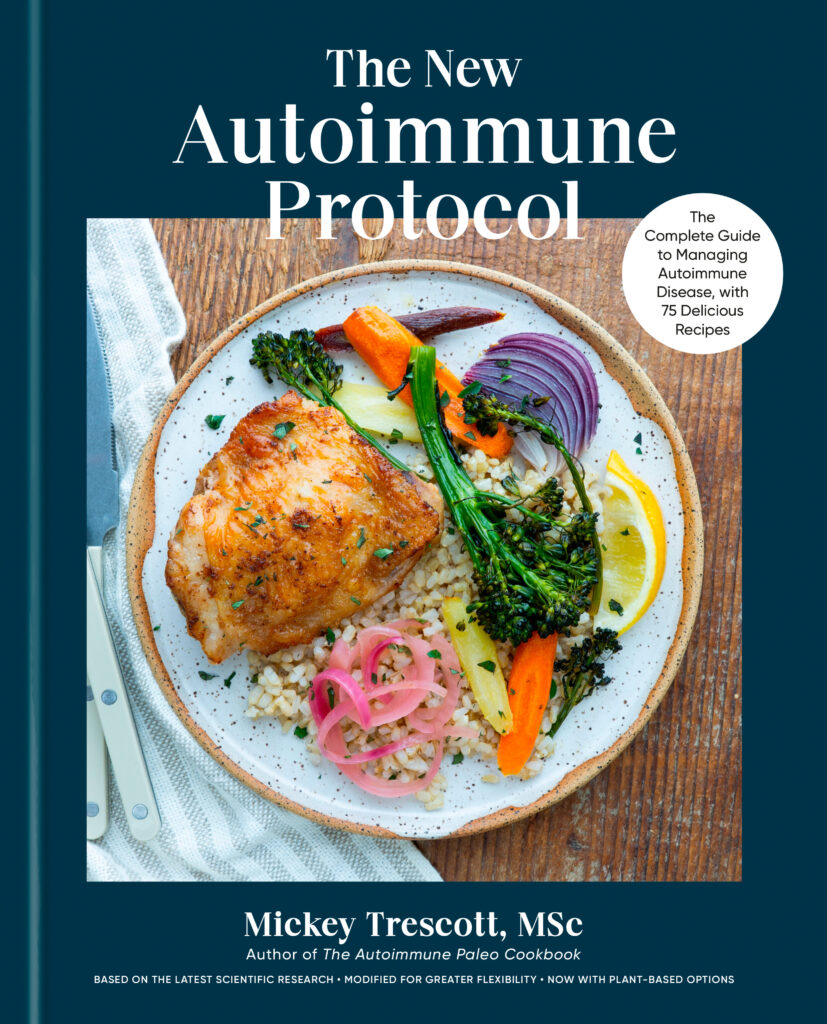
Pre-Order The New Autoimmune Protocol

The Groundbreaking Update to AIP — Backed by Research, Designed for Real Life

Be among the first to experience the most comprehensive, evidence-based update to the Autoimmune Protocol in over a decade.

The New Autoimmune Protocol goes beyond elimination and reintroduction to give you a clear, structured, research-informed path to reducing inflammation, personalizing your diet, and building long-term sustainability. Whether you’re newly diagnosed or have been following AIP for years, this book offers the clarity and confidence you’ve been waiting for.

This is the next evolution of AIP — rooted in science, built for sustainability, and designed to help you move from restriction to empowerment.

PREORDER YOUR COPY

Privacy Overview

This website uses cookies so that we can provide you with the best user experience possible. Cookie information is stored in your browser and performs functions such as recognising you when you return to our website and helping our team to understand which sections of the website you find most interesting and useful.